
Basic
CBT Assessment and Formulation
Collaborative working: starting sessions
Intermediate – Advanced
Using imagery and behavioural experiments to enhance CB for panic disorder and agoraphobia
CBT for obsessive compulsive disorder




Cost £799
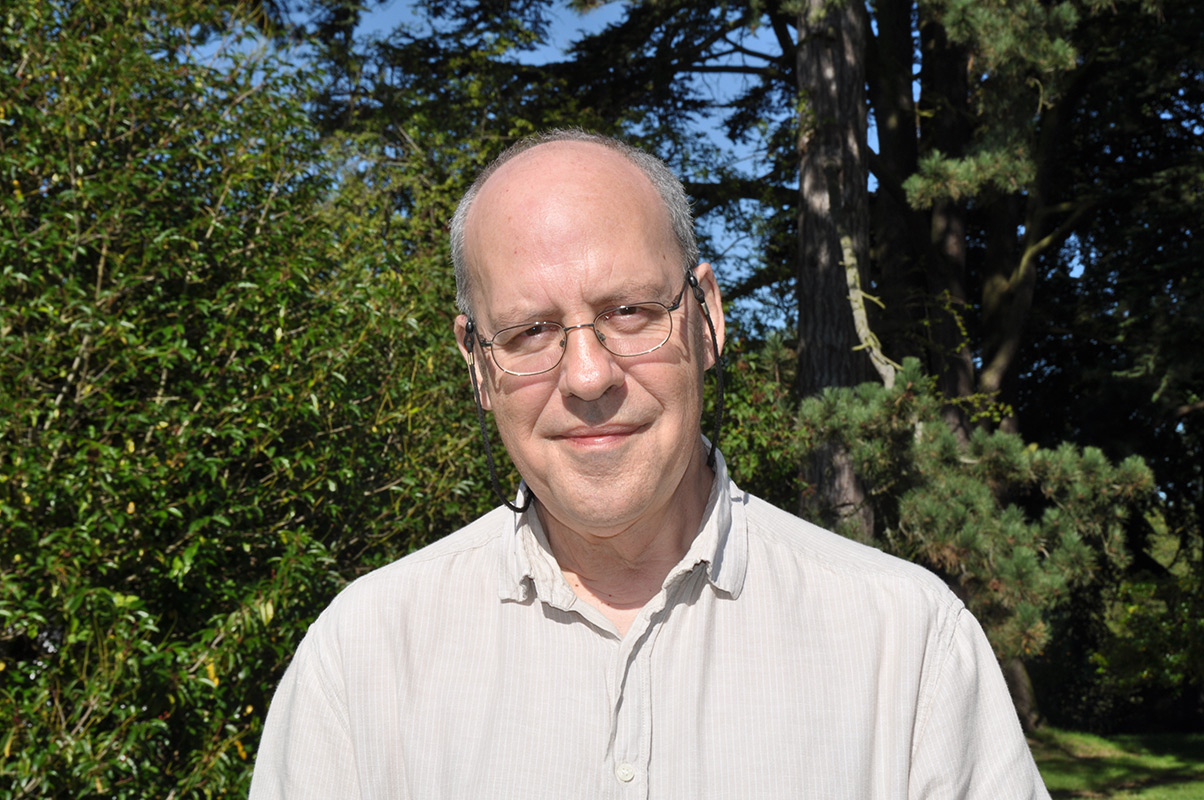
Topic: In this presentation David outlines the nature and role of CBT ‘formulation’, a powerful tool for making sense of psychological problems so as to help both client and therapist to think clearly about them and come up with a therapeutic plan. Later chapters show you how to carry out an assessment using a CBT model, and how to use the information from that assessment to develop a CBT formulation in collaboration with your client. These strategies are illustrated by a role-play of an in... READ MORE
Cost £150 Add to cartBasic Basic CBT Theory CBT Assessment and Formulation Collaborative working: starting sessions Goal Setting Behavioural Experiments Socratic Method Intermediate - Advanced Using imagery and behavioural experiments to enhance CB for panic disorder and agoraphobia CBT for obsessive compulsive disorder Mental imagery and formulation in cognitive therapy Working with core beliefs Enhanced reliving in PTSD Enhancing self-esteem Compassionate mind... READ MORE
Cost £599 Add to cart
Topic: An introduction to behaviour experiments: This presentation provides an overview of Behavioural Experiments. In particular: Understanding the rationale for behavioural experiments Understanding their theoretical base Providing a framework and typology for behavioural experiments to enable clinicians to consider different types of behavioural experiment, and devise an experiment appropriate to the particular circumstance. Behaviour experiments in depression: In Part ... READ MORE
Cost £60 Add to cart
Topic: This module explores the use of compassion focused approaches to work with shame and self-attacking thoughts. First, we explore the theoretical background of compassionate mind as developed by Paul Gilbert. Then we move onto to look at how to formulate cases using this approach. Specific ways of working with self-criticism and shame based memories, through the development of compassion, are presented. Finally, the use and development of compassionate imagery, the perfect nurturer’ is pr... READ MORE
Cost £125 Add to cart